A Landmark Year for CFHRSW: Tackling Homelessness in Jaipur Since 2003
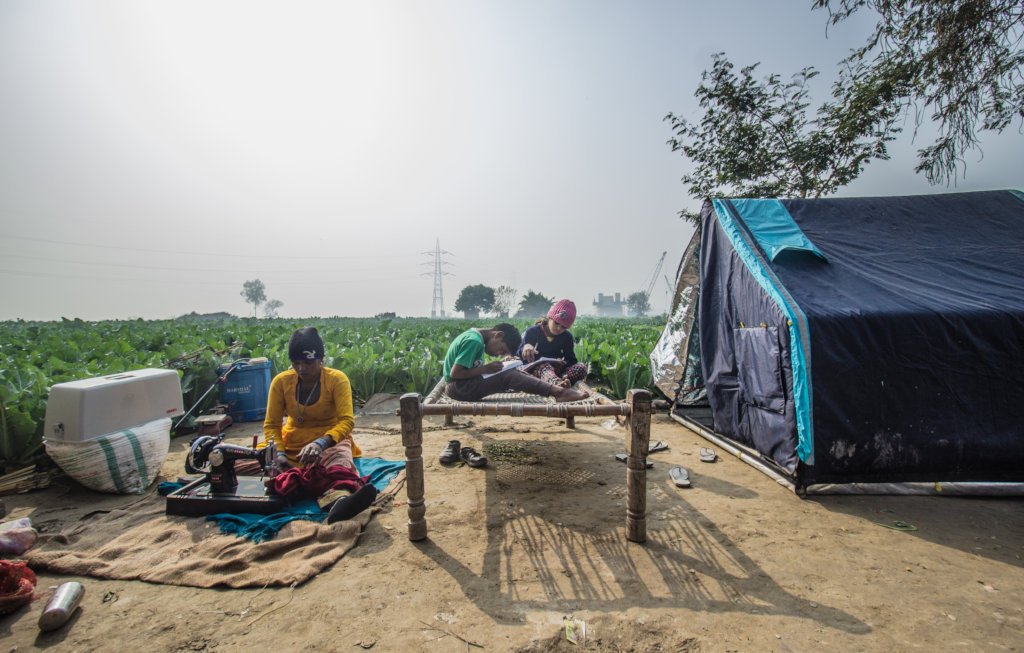
In 2003, the Community Health and Rehabilitation Society of Women (CFHRSW) embarked on a transformative journey to address homelessness in Jaipur, Rajasthan. That year marked a turning point as freezing winters exposed the harsh realities faced by over 50,000 footpath dwellers in the city. The night shelters provided by the Nagar Nigam (municipal corporation) were insufficient—overcrowded, poorly maintained with dirty beds and blankets infested with bed bugs and lice, and lacking proper segregation for women. These conditions deterred many women from seeking refuge, sparking CFHRSW to take action. What followed was a series of impactful initiatives that continue to make a difference. Here’s a look at how CFHRSW has been fighting for the homeless since that pivotal year.
Mahila Sneh Ashray: A Safe Haven for Destitute Women
In response to the dire situation, CFHRSW conceived the idea of a dedicated shelter for destitute women. On March 31, 2004, Mahila Sneh Ashray opened its doors in a Nagar Nigam building, starting with six women who had been displaced by domestic violence, widowhood, or natural calamities. By the end of that year, the shelter had supported 49 women, with 19 staying continuously and six reuniting with their families. Many brought their children along, turning the shelter into a small community.
The support went beyond just a roof. Pregnant women received prenatal care, three delivered their babies at the shelter, and one arrived with a newborn. CFHRSW also facilitated medical interventions—Manju, a deaf homeless woman, received hearing aids after a checkup at SMS Hospital, while Kesar, an elderly woman nearly blind, got eye treatment. In a notable case, a minor girl from Delhi, Mona Fazli, found on Jaipur’s footpaths, was rescued, and CFHRSW worked tirelessly to bring her exploiters to justice.
Beyond the Shelter: Addressing Broader Homeless Issues
CFHRSW didn’t stop at Mahila Sneh Ashray. They tackled other pressing challenges faced by Jaipur’s homeless population:
Footpath Panchayats: These community groups were formed to organize footpath dwellers, giving them a collective voice.
Voting Rights: Ahead of elections, CFHRSW contacted the Election Commissioner of Rajasthan, submitting 1,437 names for voter lists. Over 784 were successfully added, empowering the homeless to participate in democracy.
Pensions and Support: The organization approached the District Collector of Jaipur to secure pensions for the elderly, widows, and physically challenged. While government limitations hindered full success, some elderly individuals received pensions, and 112 disabled people got wheelchairs.
Healthcare Access: From Laxmi, a woman from Andhra Pradesh who underwent tumor surgery at SMS Medical College Hospital, to four mentally challenged women receiving treatment, CFHRSW ensured medical care reached those in need.
Garima Samwad: Restoring Dignity to the Dholakiyas
In a heart-wrenching incident, 60-65 Muslim families known as Dholakiyas, originally from Barabanki, Uttar Pradesh, faced a smear campaign. Living in jhuggis near Jaipur Railway Station, they were targeted by a high-profile travel agency that wanted their land for parking buses. Rumors falsely labeled them as Bangladeshi immigrants, and when that failed, an evening newspaper accused the men of theft and the women of prostitution. Devastated, the Dholakiyas withdrew into their homes, fearing for their safety.
CFHRSW stepped in with Garima Samwad—a dignity dialogue. They gathered shopkeepers, neighbors, and railway police to debunk the lies. No complaints existed against the Dholakiyas, and the truth prevailed in other newspapers. Eventually, these families were relocated to Palri Meena Village, 17 km from Jaipur, where they were allotted homes—a fresh start after years of struggle.
Nutritional Study: Unveiling Hidden Truths
To better understand the plight of footpath dwellers, CFHRSW surveyed 150 individuals to assess their nutritional levels. The findings were startling, shedding light on the severe deprivation faced by this community. The resulting document has since guided their advocacy efforts.
Mission Basera: Homes for the Homeless
Under Rajasthan’s Mission Basera scheme, CFHRSW’s persistence paid off as 114 homeless families received small houses, and 506 plots were allotted to others. For people who had spent decades under tents, jhuggis, or the open sky, this marked a monumental shift toward stability.
Single Homeless Women: A Study in Resilience and Exploitation
A CFHRSW study of 83 destitute women living on footpaths revealed a grim reality: continuous sexual exploitation, unwanted pregnancies, and abandonment by fathers unwilling to support their children. With no one to help raise these kids, the women were left vulnerable. The organization identified eight such hotspots in Jaipur, presented the findings to the state government and media, and has since rehabilitated nine of these women.
To empower them further, CFHRSW conducts legal awareness meetings, counseling sessions for domestic violence survivors, and training programs in income-generating skills like dari (rug) making and needlework. A signature campaign for their rehabilitation, launched with the first signature from then-Governor Pratibha Patil (later India’s President), amplified their cause.
A Legacy of Compassion and Change
Since 2003, CFHRSW has been a beacon of hope for Jaipur’s homeless. From building shelters and securing voting rights to fighting defamation and conducting groundbreaking studies, their work has touched countless lives. The journey continues as they strive to rehabilitate more families, empower women, and ensure no one is left to suffer on the streets.
What started as a response to a cold, cruel winter has grown into a movement for dignity, rights, and a better future. The story of CFHRSW is a testament to what passion and perseverance can achieve—even in the face of overwhelming odds.